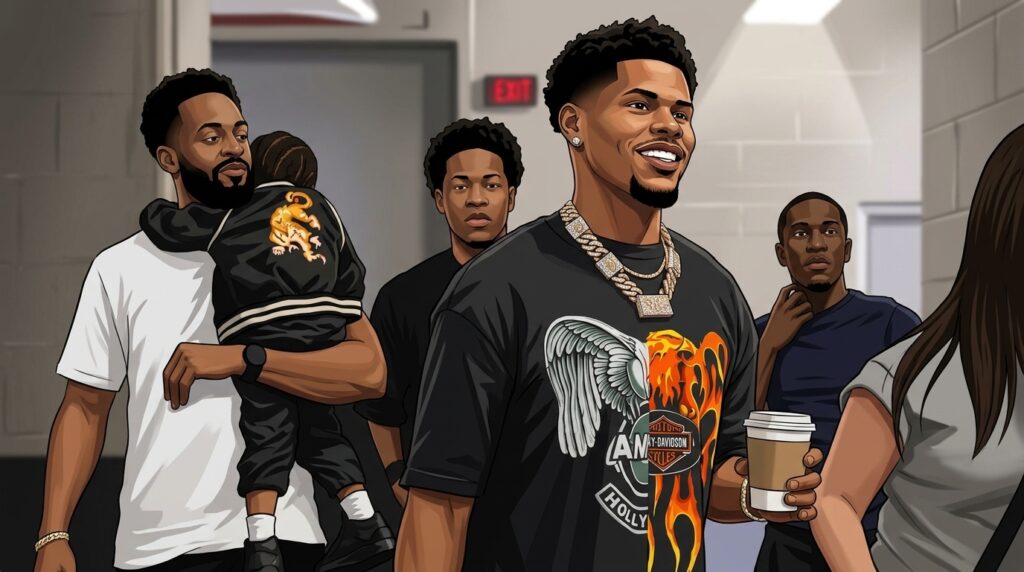
Shakur Stevenson has declared himself the leader of boxing’s next generation following his move to Zuffa Boxing. The claim faces immediate scrutiny, as critics point to his risk-averse fighting style and his public pursuit of major paydays over available top contenders.
After his signing was confirmed, Stevenson positioned the move as a pioneering step for his peers. “It’s very exciting,” he said. He elaborated on his ambitions, stating, “I’m glad that I could be the leader of the next generation and make a new route for the next young fighters that’s coming behind me. That’s my main goal. I’m a leader, so I’m not a follower.” These comments frame his career decisions as a blueprint for others.
Stevenson’s technical skill is not in dispute. The former three-division world champion is widely seen as one of the most gifted defensive boxers in the sport. But his emphasis on avoiding punishment often fails to produce fan-friendly action, a criticism that has followed him throughout his professional career. This debate over entertainment versus effectiveness has defined public perception of his fights and continues to polarize boxing observers.
His matchmaking priorities have only added to the discussion. Stevenson immediately targeted high-profile commercial opponents like Gervonta Davis, Devin Haney, and Conor Benn. At the same time, he publicly rejected a proposed fight with José “Rayo” Valenzuela, an established contender within the Zuffa Boxing stable. This has led to questions about his willingness to face the toughest available challenges versus simply chasing the largest purses.
Ultimately, Stevenson’s standing will not be defined by his own declarations. Whether he becomes a genuine leader for the next era of fighters depends on his actions inside the ring. The opponents he agrees to face and the manner in which he performs will determine if his claim to leadership is earned.