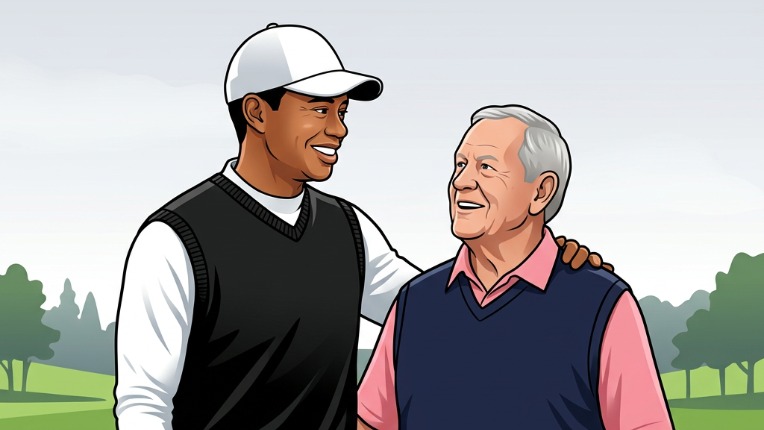
In a surprising turn of events, Tiger Woods, the iconic figure of professional golf, has officially announced that he is stepping away from the sport to prioritize his health. This decision comes on the heels of a tumultuous week in which the 50-year-old golfer was involved in a serious incident that led to DUI charges in Jupiter, Florida. As Woods makes his way to a rehabilitation facility in Switzerland, many in the golf community are rallying around him, emphasizing the importance of health and well-being over competition.
Woods, who has faced numerous physical challenges throughout his career, notably including multiple surgeries on his back and knee, now confronts a new layer of complexity as he battles the ramifications of pain management. Jack Nicklaus, another revered name in the sport, has spoken candidly about Woods’ situation, stating that Woods has been struggling with painkillers for some time. “He’s too far down the line with painkillers, and it’s time to address these issues head-on,” Nicklaus remarked, underscoring the gravity of the situation.
The golfing world is acutely aware of Woods’ legacy, which is marked not only by his numerous accolades, including 15 major championships but also by his resilience in overcoming adversity. Yet, the recent incidents have brought to light the often overlooked emotional and physical toll that the pressure to perform at an elite level can place on athletes. As Woods prepares for his rehab stint, there’s an acknowledgment that the road to recovery may be long but is essential for his future, both in golf and beyond.
This development prompts a broader conversation about athlete health, particularly at a time when mental health and substance abuse struggles are more openly discussed. The often glamorized image of elite athletes sometimes masks the vulnerabilities that they face. Woods, who has long been a figure of inspiration for many, now stands as a reminder of the vital importance of seeking help when needed.
Woods’ absence from the greens will undoubtedly leave a significant void in professional golf, a realm that has greatly benefited from his talent and charm over the decades. Fans and supporters are already expressing their sentiments on social media, with many wishing him strength and a successful recovery. The consensus is hopeful; Woods is not just a golfer but an enduring figure whose influence transcends the sport.
As the golf season moves forward, the PGA Tour will surely feel the impact of Woods’ hiatus. However, the understanding among players and fans is unanimous—Tiger’s health should always come first. Golf, in all its competitiveness and glamour, ultimately remains a sport that requires not just skill, but holistic well-being.
In the coming months, it will be interesting to see how Woods navigates this challenging chapter of his life. For now, the golfing community is united in supporting him as he looks to reclaim his health and, eventually, perhaps his position among the greats of the game once again.