Free extension for sports fans
Advertisement
Advertisement

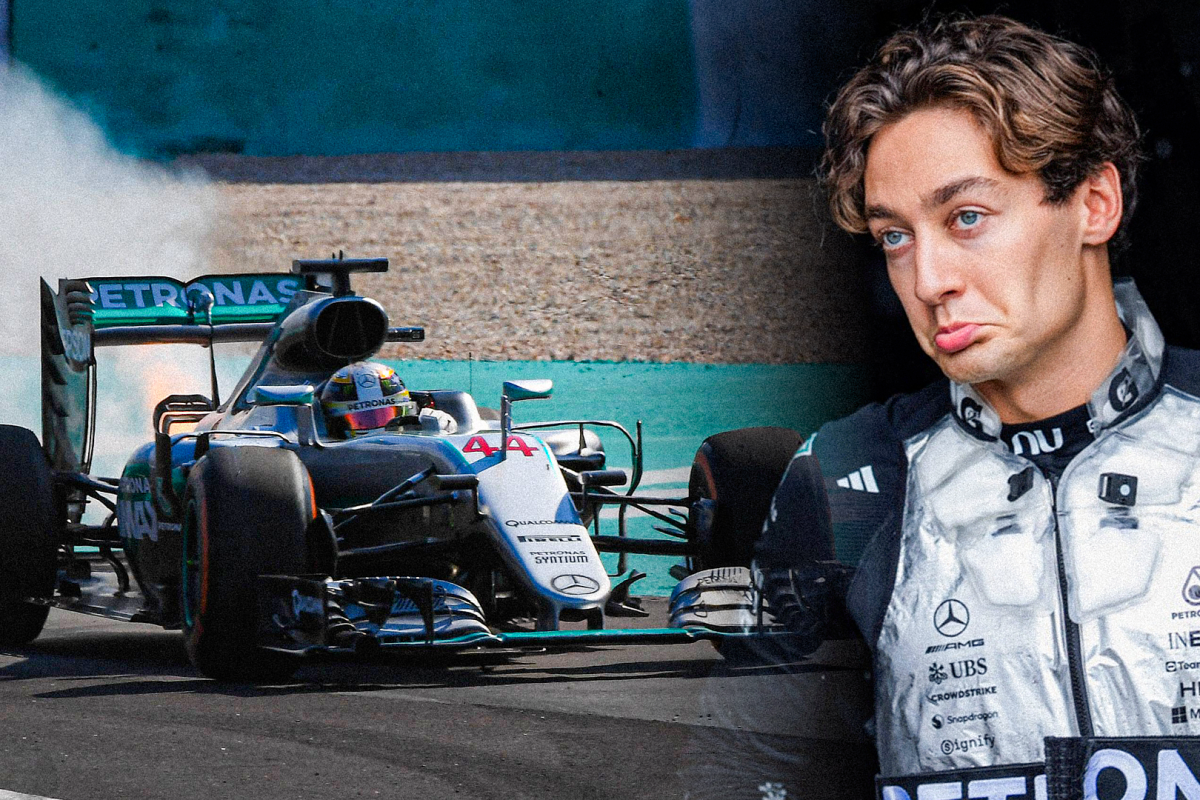
F1 engine penalties explained: Why drivers get grid drops and how they work

It's not unusual, especially in the second half of an F1 season, to see drivers being sent backward on the starting grid with what are often referred to as 'engine penalties'.

Published: Friday, 9 October 2026 at 8:57 AM
F1 engine penalties explained: Why drivers get grid drops and how they work
Key Things to Know
  • F1 drivers receive grid penalties when teams exceed restricted allocations for seven individual power unit components.
  • Exceeding an allowed component limit triggers a 10-place drop for the first breach and five places thereafter.
  • Grid penalties totaling more than 15 places automatically send a driver to the back of the grid.
The Story in 60 Seconds

Formula 1 imposes grid drop penalties on drivers when teams exceed season-long limits on specific power unit components. Originally introduced to curb excessive spending and maintain competitive balance between wealthy and smaller teams, the regulations track seven individual parts separately across the season. Penalties are enforced after qualifying, with the first breach of a component's allocation triggering a 10-place grid drop, while subsequent breaches incur five-place drops.

Teams regularly incur penalties strategically during the second half of the season, often opting to introduce multiple new parts at circuits favorable for overtaking. When cumulative penalties exceed 15 places, drivers are automatically sent to the rear of the starting grid.


Advertisement

Never Miss a Sports Update

Get the latest sports news and top stories from MySportsTab delivered straight to your inbox.

No spam. Just the latest sports news and updates.